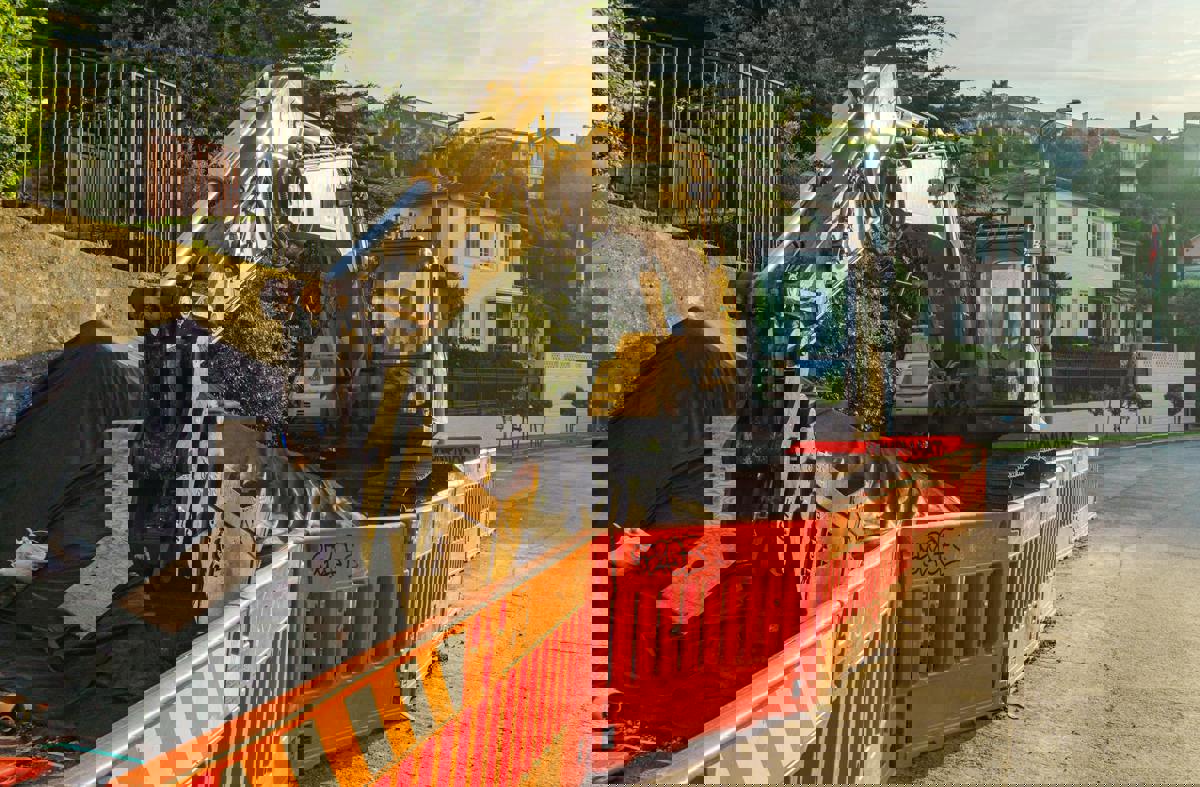
The sounds of jackhammers and rumbling machinery have become an inescapable part of daily life for midtown residents since construction began on the highly anticipated subway expansion project. As crews work around the clock to build new transit lines, families in the area are forced to contend with near-constant noise, dust, and unpredictable street closures. While many acknowledge the long-term benefits, the immediate impact is hard to ignore.
The expansion project is part of a broader initiative to modernize the city’s aging transit infrastructure and reduce congestion. City officials state that the new subway line will shorten commutes by up to 20 minutes for thousands of daily riders. Transportation spokesperson Caroline West noted, “This project represents a significant investment in the future of our city, and we recognize the patience required of local communities during this period.”
For some homeowners and tenants, patience is wearing thin. Many report being woken early by construction noise, with vibrations rattling windows and shaking walls. Marianne Ng, whose apartment sits just yards from the sprawling construction site, described sleepless nights and rising stress levels. “It feels like the walls are closing in—it’s relentless,” she said, voicing a sentiment echoed by many in the neighborhood.
The disruptions extend far beyond noise complaints. Local businesses situated along the construction corridors have seen a sharp decline in foot traffic, as street closures and detours make it difficult for customers to access shops and cafes. According to the Midtown Business Association, revenue for some establishments has dropped by as much as 35 percent since the project commenced last fall.
Parents with young children are particularly affected. The noise level, sometimes exceeding 85 decibels, and clouds of dust make it difficult for families to enjoy public parks or even open windows at home. Emily Rivera, mother of two, shared, “We used to spend afternoons at the park, but now even walking there feels unsafe and overwhelming because of the heavy equipment and frequent roadblocks.”
City Hall has promised mitigation measures, including sound barriers and clearly marked alternative pedestrian routes. However, many residents feel these efforts are insufficient or delayed. Neighborhood advocate Simon Patel remarked, "We appreciate the city’s assurances, but on the ground, it often seems like residents are left to fend for themselves in the face of major upheaval."
Compounding the frustration are the frequently changing construction schedules. Residents claim a lack of clear communication has made it difficult to plan their daily routines. Notifications about street closures or blasting work often arrive with little advance warning. For commuters, this has translated into missed appointments and extended travel times, with public buses routinely caught in gridlock.
Despite considerable disruption, some see hope on the horizon. Transit experts note that the expansion will allow for increased train frequency and provide vital connections between underserved neighborhoods. “This new infrastructure will future-proof our city as it grows,” explained urban planner Devon Sethi. “The immediate inconveniences are temporary, but the benefits will last for generations.”
The city has sought to foster dialogue through regular town hall meetings and online updates, aiming to keep residents engaged and informed. At a recent meeting, officials unveiled revised timelines and invited community feedback. While some residents appreciated the transparency, others left feeling that their concerns had not been fully addressed. The divide reveals how large-scale infrastructure projects can strain community trust.
Environmental impacts are also under scrutiny. Construction has led to the removal of mature trees and torn up sidewalks, prompting concerns about lasting damage to green space. City contractors insist that landscaping and tree replanting efforts are built into the final stage of the project. Environmental groups, however, are urging for more robust protections, worried that the area’s character may be irrevocably altered.
Looking ahead, completion of the subway expansion is projected for late next year, barring further delays. Officials are optimistic that once operational, the line will take thousands of cars off the roads and decrease commute times throughout the region. Still, many midtown residents are counting the days until the last bulldozer departs and the soundscape of their neighborhood returns to normal.
Until then, midtown families must navigate an uncomfortable in-between phase, balancing short-term hardships against long-term aspirations. For now, the battle between progress and peace continues on the city’s streets, shaping not only the physical landscape but also the lives of those who call this vibrant neighborhood home. The hope remains that, when the dust settles, the benefits will truly outweigh the burden.